What is Shadowless Lamp?
A shadowless lamp, also referred to as a surgical lamp or operating light, is an essential piece of equipment in medical environments, particularly in surgical suites and operating rooms. Its primary purpose is to provide bright, uniform illumination of the surgical field, ensuring optimal visibility for surgeons and medical staff during procedures. Shadowless lamps are designed to minimize shadows and glare, allowing for accurate visualization of the surgical site and enhancing the precision and effectiveness of surgical interventions.
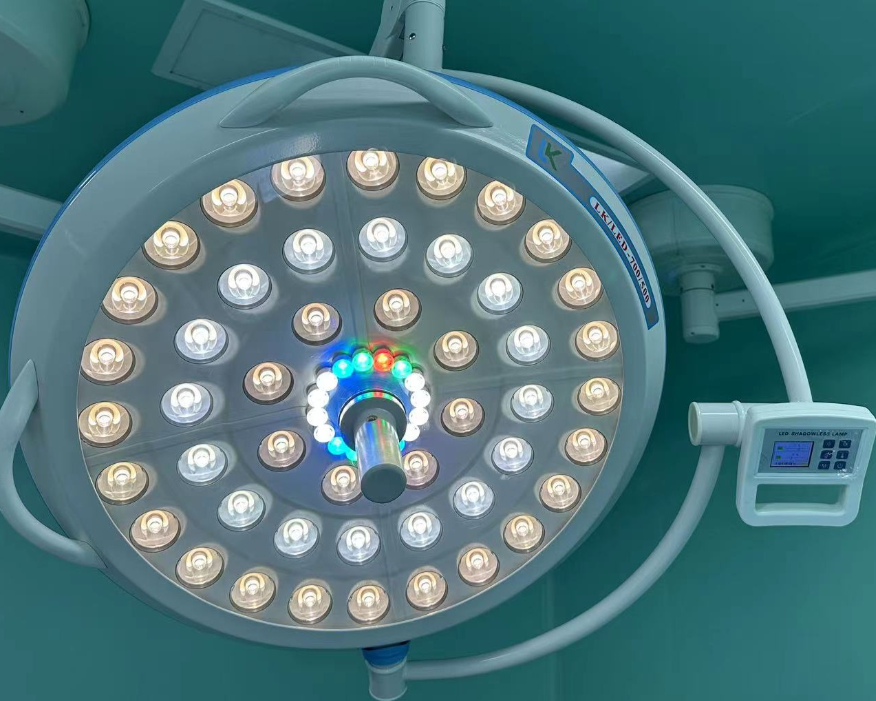
Introduction to Shadowless Lamps:
Definition: A shadowless lamp is a specialized lighting fixture used in surgical settings to provide bright, uniform illumination of the operative field, minimizing shadows and enhancing visibility during procedures.
Historical Overview: The concept of shadowless lighting in surgery dates back to the late 19th century, with the introduction of carbon arc lamps and later, incandescent bulbs. Over time, advancements in lighting technology have led to the development of modern shadowless lamps using halogen, xenon, or LED light sources.
History and Evolution of Shadowless Lamps:
The concept of shadowless lighting in surgery dates back to the late 19th century, with the introduction of early surgical lamps powered by gas or electricity. These lamps aimed to improve visibility during surgical procedures, but their effectiveness was limited by factors such as uneven illumination and excessive heat generation.
Over time, advances in lighting technology, materials science, and design principles have led to significant improvements in shadowless lamps. The development of halogen, xenon, and LED light sources has revolutionized surgical lighting, offering brighter, more efficient illumination with reduced heat emission. Additionally, innovations in reflector design, optics, and ergonomic features have enhanced the performance and versatility of modern shadowless lamps.
Components and Design Features:
Shadowless lamps consist of several key components and design features that contribute to their functionality and effectiveness:
Light Source: The light source is typically located at the center of the lamp and may consist of halogen bulbs, xenon arc lamps, or light-emitting diodes (LEDs). These light sources produce intense, white light with high color rendering properties, allowing for accurate visualization of tissue colors and distinctions.
Reflectors: Reflectors are positioned around the light source to capture and redirect light rays toward the surgical field. These reflectors are designed to minimize shadows and create a uniform illumination pattern across the entire operative area.
Articulating Arms: Shadowless lamps are mounted on articulating arms or suspension systems that allow for precise positioning and adjustment of the light beam. Surgeons and medical staff can easily manipulate the lamp to achieve optimal lighting angles and coverage without obstructing their view or impeding their movements.
Sterility and Cleanability: Shadowless lamps are designed to meet strict cleanliness and sterilization standards for use in sterile surgical environments. They feature smooth, easy-to-clean surfaces and sealed housings to prevent the accumulation of dust, debris, and contaminants.
Functionality and Benefits:
The primary function of a shadowless lamp is to provide bright, uniform illumination of the surgical field, offering several key benefits:
Enhanced Visibility: By minimizing shadows and glare, shadowless lamps improve visibility for surgeons and medical staff, allowing them to visualize anatomical structures, surgical instruments, and procedural details with greater clarity and precision.
Reduced Eye Strain: Shadowless lamps are designed to emit light with minimal heat and glare, reducing eye strain and fatigue for the surgical team during prolonged procedures. This promotes comfort and concentration, enabling surgeons to maintain focus and accuracy throughout the operation.
Optimal Surgical Outcomes: Proper illumination with a shadowless lamp is essential for achieving optimal surgical outcomes, minimizing the risk of errors, complications, and adverse events. Clear visibility of the surgical site is critical for performing procedures safely, efficiently, and effectively.
Applications in Surgery and Medicine:
Shadowless lamps are used in a wide range of surgical specialties and medical procedures, including:
General Surgery: Shadowless lamps are essential for a variety of general surgical procedures, such as appendectomies, cholecystectomies, and hernia repairs.
Orthopedic Surgery: Orthopedic surgeons rely on shadowless lamps for procedures involving the bones, joints, and soft tissues of the musculoskeletal system, such as joint replacements and fracture repairs.
Neurosurgery: Neurosurgeons require precise illumination for delicate procedures involving the brain and spinal cord, such as tumor resections and spinal fusions.
Ophthalmic Surgery: Ophthalmologists use shadowless lamps for eye surgeries, including cataract removal, corneal transplants, and retinal detachment repairs.
Plastic Surgery: Plastic surgeons utilize shadowless lamps for aesthetic procedures such as facelifts, breast augmentations, and liposuctions, where precise visualization is critical for achieving optimal cosmetic results.
Technological Advancements:
Advancements in lighting technology and design have led to several innovations in shadowless lamps, including:
LED Lighting: The widespread adoption of light-emitting diode (LED) technology has revolutionized surgical lighting, offering numerous advantages over traditional light sources, including energy efficiency, longer lifespan, and superior light quality.
Adjustable Intensity and Color Temperature: Some modern shadowless lamps feature adjustable intensity and color temperature settings, allowing surgeons to customize the lighting conditions based on the specific requirements of the procedure and their personal preferences.
Integrated Camera Systems: Advanced shadowless lamps may include integrated camera systems for recording surgical procedures, live streaming, telemedicine consultations, and medical documentation purposes. These systems enhance communication, education, and collaboration among surgical teams and healthcare providers.
Considerations for Selection and Maintenance:
When selecting a shadowless lamp for a surgical suite or operating room, several factors should be considered:

Light Output and Quality: The lamp should provide sufficient light output and high-quality illumination with accurate color rendering to ensure optimal visibility and surgical precision.
Ergonomics and Adjustability: The lamp should be ergonomically designed and easily adjustable to accommodate different surgical positions, procedures, and preferences. Articulating arms, swivel mounts, and intuitive controls enhance usability and convenience for the surgical team.
Sterility and Infection Control: Shadowless lamps should be designed for easy cleaning and disinfection to maintain sterility and prevent the transmission of healthcare-associated infections (HAIs) in surgical environments. Smooth, seamless surfaces and sealed housings facilitate thorough cleaning and sterilization procedures.
Compliance with Standards and Regulations: The lamp should meet applicable safety standards and regulatory requirements for medical devices and surgical equipment. Compliance with industry standards ensures the safety, reliability, and performance of the lamp in clinical settings.
Maintenance and Support: Regular maintenance and servicing are essential to ensure the optimal performance and longevity of the shadowless lamp. Manufacturers should provide comprehensive support, including installation assistance, technical training, and responsive customer service, to address any issues or concerns that may arise.
Conclusion:
In conclusion, shadowless lamps play a critical role in modern surgery, providing surgeons and medical staff with essential illumination for optimal visualization and surgical precision. Through continuous innovation and technological advancements, shadowless lamps have evolved to meet the evolving needs of healthcare professionals, offering superior performance, versatility, and reliability in surgical environments. By selecting the right shadowless lamp and ensuring proper maintenance and use, healthcare facilities can enhance patient safety, improve surgical outcomes, and optimize the overall quality of care provided to patients.


