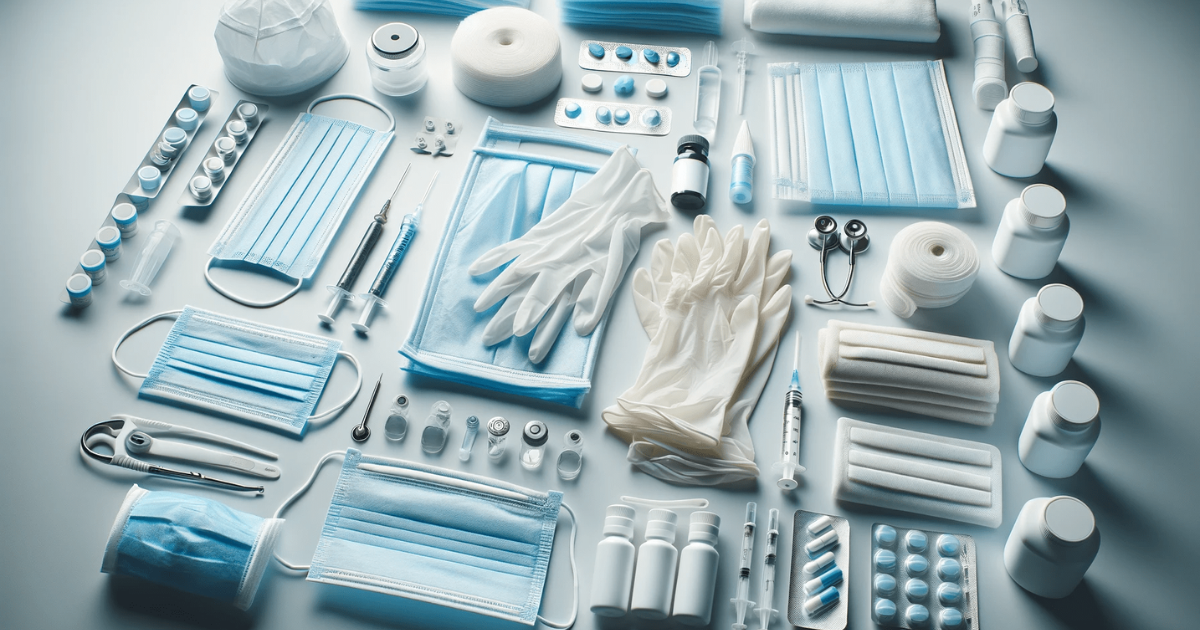
Sustainability is a frequent topic of conversation in today’s discourse, leading many consumers to prefer products that are reusable, made from renewable resources, and that reduce waste. Proponents argue it is good for the environment and has long-term cost benefits. But reusing products can be challenging, if not problematic, in the medical field, making disposable medical devices an important component of the medical device industry today.
According to the Food and Drug Administration (FDA), the governing entity in the United States that regulates medical devices, a single-use or disposable medical device is “intended for use on one patient during a single procedure. It is not intended to be reprocessed (cleaned, disinfected/sterilized) and used on another patient. The labeling may or may not identify the device as single use or disposable and does not include instructions for reprocessing.” The disposable medical supplies industry produces supplies you frequently see when you interact with a medical professional – bandages, hypodermic needles, exam gowns, gloves, catheters, surgical sponges, tongue depressors, syringes, pregnancy and drug tests, and face masks. Consumable medical devices are like disposable devices in that they also ultimately should be disposed of but can be used more than once or for a length of time. These include devices like elastic bandage wraps, pacemakers, and drill bits and blades for surgical instruments.
At Sterling, we work with medical device companies of all shapes and sizes – small and large, start-up and established – that develop and manufacture a wide array of devices. No matter how varied the companies are, across the board their biggest concern is keeping patients safe. When designing a medical device, companies want to do everything they can to improve medical device UX, or user experience, and reduce the risk of harming their user. Disposable medical devices can help.
Anytime device companies can incorporate disposable elements or create entirely disposable medical products, they are improving patient safety and reducing risk. The primary reason is that using disposable medical supplies and devices prevents cross contamination between patients. Reusable medical devices must be completely and thoroughly sterilized before they can be used again. In addition to expanding design considerations for sterilization, companies are subject to increased regulatory responsibilities. The FDA has strict sterilization process controls; devices must prove they adhere to in the submission process. The role of sterilization and disposable medical devices in preventing the spread of disease has increased in relevance during the COVID-19 pandemic.
Not being able to properly sterilize a medical device can have serious consequences. In 2013, the Centers for Disease Control and Prevention (CDC) alerted the FDA of a potential connection between duodenoscopes, devices that pass into the small intestine, and antibiotic-resistant infections, even though users reported following proper cleaning and disinfection or sterilization protocols outlined by the manufacturer. Incidences such as these have led companies to design disposable elements like covers for non-disposable medical instruments.
Another critical benefit of disposable medical devices is durability, especially when it comes to consumable devices. By their nature, some devices, or individual components of the device, wear out after a certain period – lights burn out, batteries die, drill bits and blades dull, sensors break, and wires fray. This is also where the importance of testing and labeling comes in. Medical device companies must test to identify the average number of uses a device or component can withstand while working effectively and label the device accordingly to indicate how many times it can be used within the indicated safety margin. At Sterling, we worked with a device that utilized a USB connection, and we helped facilitate tests to determine how many times it could be plugged and unplugged before its functionality diminished.
Disposable medical devices, or disposable components of devices, can help improve the health and safety of the patients we serve. That’s why, when we work with our clients on their medical device design, development, and regulatory submission, we look for opportunities where incorporating disposable elements makes the system safer. If any of our services can support your product, including our medical device prototype development, please contact us today.