Understanding the Key Advantages of Different Wound Dressings
-Alginate, Hydrocolloid, Foam, Silicone Gel, Transparent Film, and Non-Woven
Wound care is a critical aspect of medical treatment, requiring the use of appropriate dressings to promote healing and prevent complications. Among the various types of dressings available, each serves specific functions based on the wound’s nature and the healing stage. Here, we explore the key advantages of six commonly used wound dressings: alginate, hydrocolloid, foam, silicone gel, transparent film, and non-woven dressings.
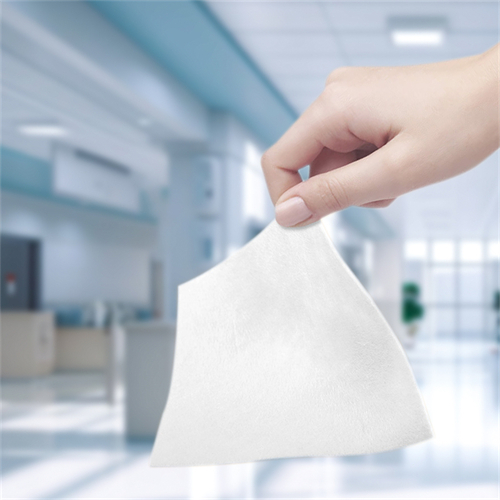
1. Alginate Dressing: Superior Absorption and Hemostasis
Alginate dressings, derived from seaweed, are highly absorbent, making them ideal for managing heavily exuding wounds. These dressings are unique in their ability to form a gel when they come into contact with wound exudate, which helps in maintaining a moist environment conducive to healing. Additionally, alginate dressings have natural hemostatic properties, making them effective in controlling bleeding, particularly in wounds such as venous and diabetic ulcers.
Key Advantages:
- High absorption capacity for heavily exuding wounds.
- Natural hemostatic properties for managing bleeding.
- Conforms to the wound bed and maintains a moist healing environment.
Best Suited For: Heavily exuding wounds, bleeding wounds, venous ulcers, and diabetic ulcers.
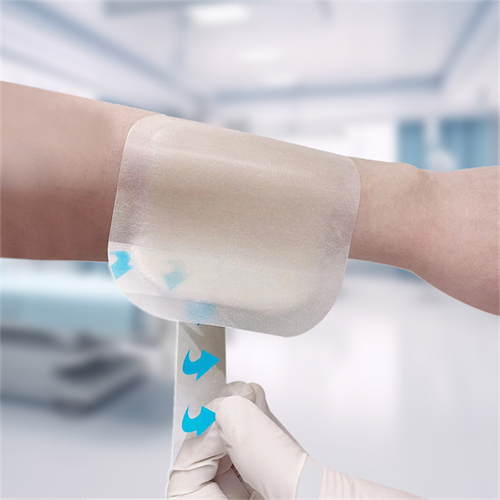
2. Hydrocolloid Dressing: Long-Lasting Moist Healing Environment
Hydrocolloid dressings are known for their ability to maintain a moist environment that supports faster wound healing. These dressings are self-adhesive and can remain in place for several days, reducing the need for frequent changes. The occlusive nature of hydrocolloid dressings also protects wounds from external contaminants and bacteria, making them ideal for low to moderately exuding wounds.
Key Advantages:
- Maintains a moist wound environment for enhanced healing.
- Self-adhesive with long wear time.
- Protects against bacteria and external contaminants.
Best Suited For: Low to moderately exuding wounds, pressure ulcers, and superficial burns.
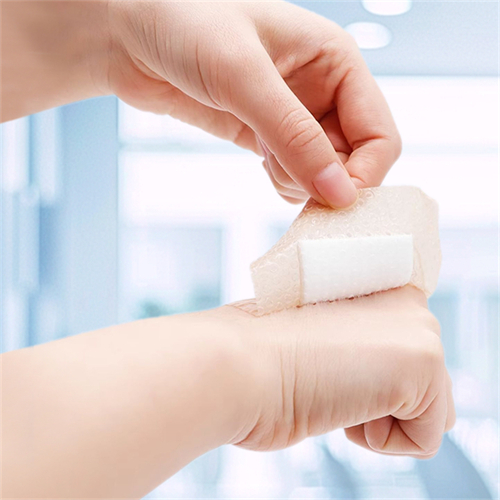
3. Foam Dressing: Cushioning and Versatility
Foam dressings are versatile and highly absorbent, suitable for wounds with moderate to high exudate. They provide cushioning to protect the wound area from pressure and friction, making them particularly useful for pressure ulcers. Foam dressings are breathable, allowing for air exchange while maintaining moisture, which reduces the risk of maceration. Their soft texture ensures comfort, even on sensitive skin.
Key Advantages:
- Moderate to high absorption with breathable properties.
- Cushions and protects the wound area from pressure and friction.
- Comfortable and soft, suitable for sensitive skin.
Best Suited For: Moderately exuding wounds, pressure ulcers, and venous ulcers.
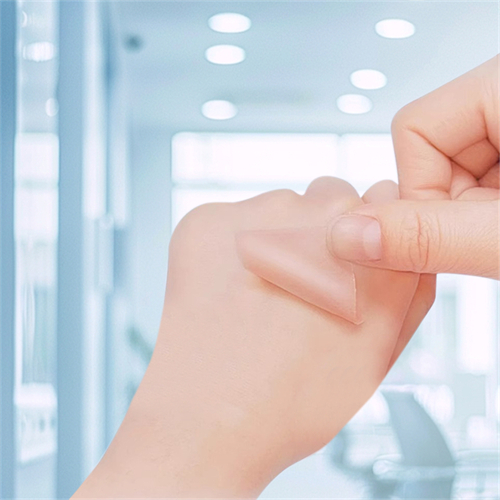
4. Silicone Gel Dressing: Scar Reduction and Gentle Adherence
Silicone gel dressings are widely recognized for their ability to prevent and treat hypertrophic scars and keloids. They work by creating a protective barrier over the wound, keeping it hydrated, which is crucial for reducing scar formation. The soft silicone layer adheres gently to the skin, minimizing pain and trauma during dressing changes.
Key Advantages:
- Effective in preventing and treating scars (hypertrophic scars and keloids).
- Gentle adherence minimizes pain and trauma during dressing changes.
- Maintains hydration, crucial for optimal healing and scar prevention.
Best Suited For: Scar management, post-surgical wounds, and minor burns.
5. Transparent Film Dressing: Visibility and Protection
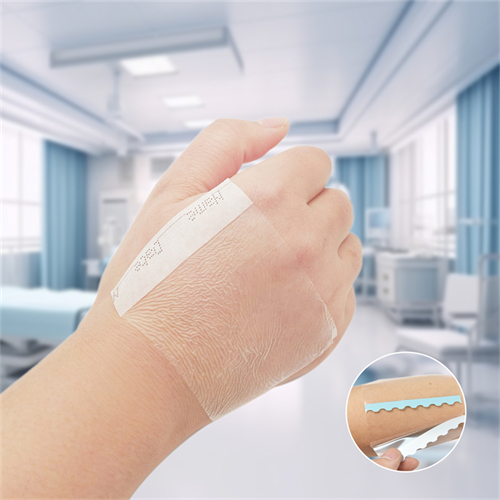
Transparent film dressings are clear, allowing for continuous monitoring of the wound without removing the dressing. They are waterproof yet breathable, providing protection against external contaminants while allowing moisture vapor exchange. These dressings are ideal for superficial wounds, such as abrasions, and are also commonly used to secure IV sites.
Key Advantages:
- Transparent, allowing for wound monitoring without removal.
- Waterproof and breathable, protecting the wound while allowing moisture exchange.
- Self-adhesive and easy to apply.
Best Suited For: Superficial wounds, IV sites, and as a secondary dressing.
6. Non-Woven Dressing: Softness and Versatility
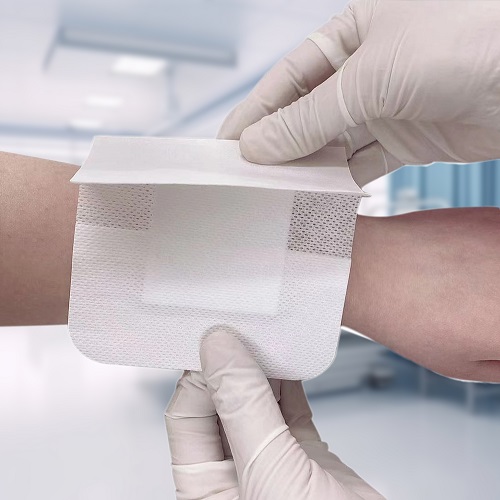
Non-woven dressings are soft and gentle, making them suitable for use on fragile skin and sensitive areas. While they absorb less exudate than alginate or foam dressings, they are effective for general wound care and can be used as primary or secondary dressings. Non-woven dressings are also economical, making them a cost-effective choice for large-scale wound care.
Key Advantages:
- Soft and gentle, ideal for fragile skin.
- Versatile and can be used as a primary or secondary dressing.
- Cost-effective for large-scale use.
Best Suited For: General wound care, post-operative wounds, and low to moderately exuding wounds.
Conclusion
Selecting the right wound dressing is crucial for effective wound management and healing. Alginate dressings excel in absorption and hemostasis, making them ideal for heavily exuding and bleeding wounds. Hydrocolloid dressings are perfect for maintaining a moist environment in low to moderately exuding wounds, while foam dressings offer cushioning and are versatile for various wound types. Silicone gel dressings are unparalleled in scar management, providing gentle care while minimizing trauma. Transparent film dressings allow for easy monitoring and protection of superficial wounds, and non-woven dressings provide a soft, versatile, and economical solution for general wound care.
At MDK Medical, we are committed to providing high-quality wound care products that meet the diverse needs of healthcare providers and their patients. By understanding the unique benefits of each dressing type, healthcare providers can make informed decisions that enhance patient outcomes and promote faster, more effective healing.


