Wound care is a crucial component of healthcare, impacting recovery time, infection rates, and overall patient comfort. Healthcare providers need access to reliable, high-quality products that address a range of wound types, from acute injuries to chronic conditions. At MDK Medical, we understand the importance of choosing the right dressing for each patient and their specific wound care needs.
In this blog post, we’ll cover the Top 5 Wound Care Products every healthcare provider should be familiar with. These products are designed to promote healing, reduce complications, and enhance the patient’s experience. Whether you're treating a minor burn, managing a diabetic ulcer, or helping a patient recover after surgery, these products are essential tools in your wound care toolkit.
1. Hydrocolloid Dressings: The Moist Healing Solution.
Hydrocolloid dressings are among the most versatile and effective wound care products available today. These dressings are designed to create a moist healing environment, which is essential for accelerating the natural healing process. Made from a gel-forming agent like carboxymethylcellulose, hydrocolloid dressings help absorb wound exudate (fluid) while preventing external contaminants from entering the wound.
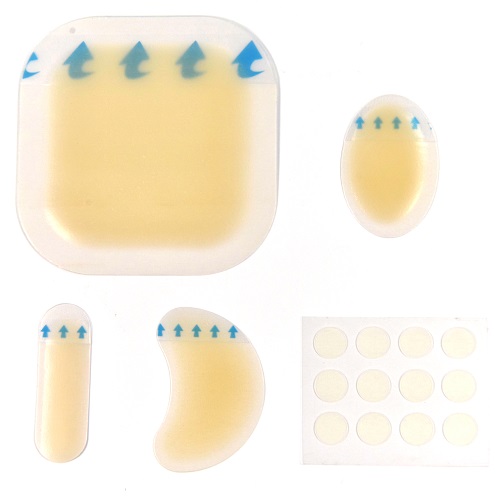
Why Healthcare Providers Should Use Hydrocolloid Dressings:
· Promote faster healing: Hydrocolloids support cell migration and tissue regeneration by maintaining a moist environment.
· Pain relief: The moist environment helps to reduce pain, prevent scabbing, and soothe exposed nerve endings.
· Longer wear time: Hydrocolloid dressings stay in place for several days, reducing the frequency of dressing changes.
· Cost-effective: Due to their longer wear time, hydrocolloid dressings can reduce overall treatment costs by limiting the need for frequent dressing changes.
Ideal For: Minor burns, surgical wounds, pressure ulcers, and diabetic ulcers.
2. Silicone Gel Dressings: Gentle Care for Sensitive Skin and Scars.
Silicone gel dressings are designed to provide gentle care for sensitive skin and help prevent or treat scars. These dressings are made from soft, flexible medical-grade silicone, which adheres to the surrounding skin without sticking to the wound bed, making them an excellent choice for delicate skin.
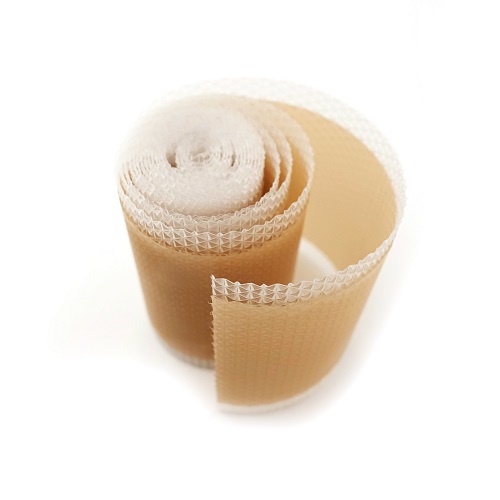
Why Healthcare Providers Should Use Silicone Gel Dressings:
· Pain-free removal: Silicone gel dressings don’t stick to the wound, minimizing pain and trauma during dressing changes.
· Scar reduction: Silicone gel is clinically proven to help prevent and reduce hypertrophic scars and keloids by creating a moisture-rich environment that promotes collagen regulation.
· Non-irritating: Silicone dressings are non-irritating and ideal for patients with hypersensitive or allergic skin reactions to other adhesives.
· Comfort: The flexible silicone material moves with the skin, providing long-term comfort, even for large or irregularly shaped wounds.
Ideal For: Post-surgical wounds, burns, skin grafts, and chronic wounds.
3. Foam Dressings: Superior Absorbency for Moderate to Heavy Exudate.
Foam dressings are designed for wounds that produce moderate to heavy exudate, such as venous ulcers, pressure ulcers, and surgical wounds. These dressings are made from soft, flexible foam material that helps absorb large volumes of fluid, preventing maceration (softening) of surrounding skin while keeping the wound moist for faster healing.
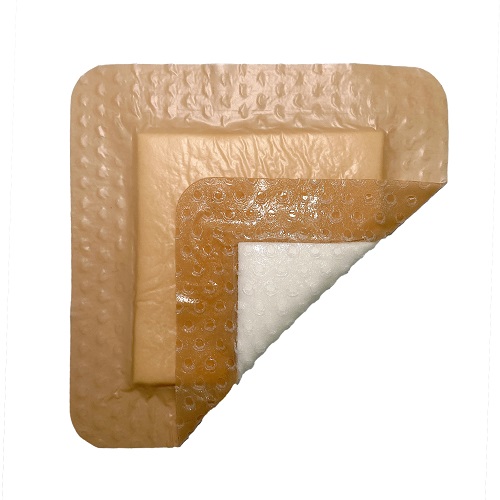
Why Healthcare Providers Should Use Foam Dressings:
· High absorbency: Foam dressings excel at absorbing excess wound fluid, helping to maintain a clean, dry wound environment.
· Comfort: The foam layer provides a cushioning effect, which is especially beneficial for painful or pressure-prone areas.
· Waterproof barrier: Foam dressings provide an additional layer of protection, preventing contaminants and bacteria from entering the wound.
· Less frequent dressing changes: Due to their high absorbency, foam dressings can stay in place for longer periods, reducing the need for frequent dressing changes.
Ideal For: Pressure ulcers, diabetic foot ulcers, venous ulcers, and post-surgical wounds with heavy exudate.
4. Alginate Dressings: Ideal for Cavity Wounds and Heavy Drainage.
Alginate dressings are made from seaweed-derived fibers and are highly absorbent. These dressings are designed to manage heavily draining wounds, especially deep or cavity wounds. When exposed to wound exudate, alginate dressings form a gel-like consistency that helps maintain a moist healing environment while absorbing excess fluid.
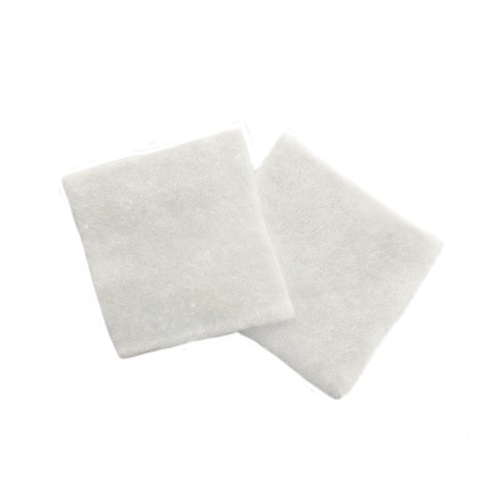
Why Healthcare Providers Should Use Alginate Dressings:
· Highly absorbent: Alginate dressings can absorb up to 20 times their weight in exudate, making them ideal for wounds with large amounts of fluid.
· Hemostatic properties: Alginate dressings help control minor bleeding by promoting clot formation, making them effective for trauma or post-surgical wounds.
· Autolytic debridement: The gel formed by alginate dressings helps break down necrotic tissue, making it easier for new, healthy tissue to form.
· Flexible and versatile: Alginate dressings can be used for deep or cavity wounds and can easily conform to wound contours.
Ideal For: Deep cavity wounds, trauma wounds, surgical wounds, and wounds with heavy exudate.
5. Transparent Film Dressings: Protection and Visibility.
Transparent film dressings are thin, flexible, and provide a clear barrier over wounds. Made from a thin polyurethane film, these dressings are waterproof, allowing them to protect wounds from contaminants while maintaining visibility for monitoring the healing process.
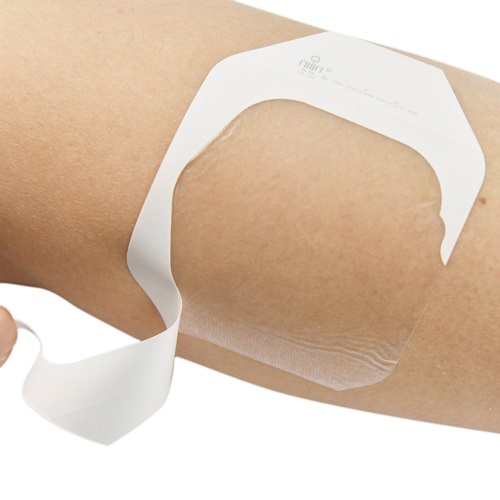
Why Healthcare Providers Should Use Transparent Film Dressings:
· Protection against external factors: Transparent film dressings offer a protective barrier against bacteria, dirt, and water, reducing the risk of infection.
· Easy monitoring: The transparent nature of the film allows healthcare providers to easily observe the wound without removing the dressing, which can be particularly helpful for patients with sensitive wounds.
· Breathable: These dressings are semi-permeable, allowing oxygen and moisture vapor to pass through while keeping harmful bacteria and dirt out.
· Flexible and comfortable: Transparent film dressings are thin and flexible, making them ideal for use on joints or other high-mobility areas.
Ideal For: Superficial wounds, surgical sites, abrasions, and minor burns.
Conclusion: Empowering Healthcare Providers with the Right Wound Care Solutions.
Effective wound care requires the right tools and knowledge, and choosing the best dressing can make a significant difference in patient outcomes. MDK Medical offers a variety of advanced wound care products that are designed to meet the diverse needs of patients, from those with minor burns to those with chronic or surgical wounds.
By using the Top 5 Wound Care Products highlighted in this blog—Hydrocolloid dressings, Silicone gel dressings, Foam dressings, Alginate dressings, and Transparent film dressings—healthcare providers can ensure optimal healing, reduce infection risks, and enhance patient comfort.


