Polyurethane foam dressing is a type of advanced wound care product that is commonly used to treat a variety of wounds, from superficial cuts to more complex chronic wounds. It’s designed to provide a moist environment for wound healing, which has been shown to accelerate the healing process and minimize scarring. Below is a detailed overview of polyurethane foam dressings, including their benefits, uses, and application.
What Is Polyurethane Foam Dressing?
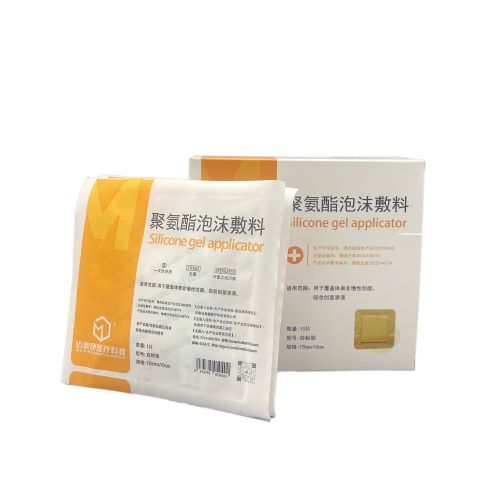
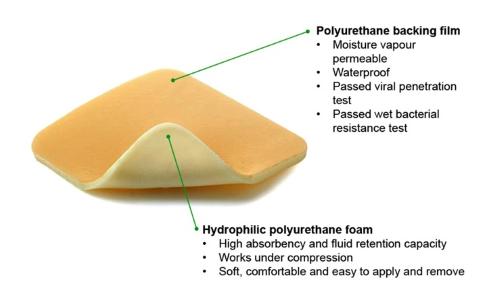
Polyurethane foam dressings are made of a soft, flexible foam material with a polyurethane film on the surface. The foam absorbs wound exudate (fluid that is released from a wound), while the film helps to keep bacteria and contaminants from entering the wound. The foam dressing is typically sterile and designed to be used as part of a wound management strategy.
Key Features of Polyurethane Foam Dressings.
· Absorbent: The foam has high absorbency, making it ideal for wounds with moderate to heavy exudate. It can hold large amounts of fluid, reducing the risk of maceration (damage to surrounding skin due to moisture).
· Moisture Retention: Polyurethane foam dressings maintain a moist wound environment, which has been shown to promote faster healing by preventing the wound from drying out.
· Non-Adherent: Foam dressings typically do not stick to the wound bed, reducing pain during dressing changes and minimizing trauma to the healing tissue.
· Breathable: Some polyurethane foam dressings have a breathable film that allows air to circulate while still offering a barrier to bacteria and other pathogens.
· Comfortable: The material is soft and flexible, conforming to the shape of the wound and the surrounding skin, which enhances patient comfort.
· Waterproof Options: Some foam dressings feature a waterproof backing that prevents water and contaminants from reaching the wound, making them suitable for use in areas that may be exposed to moisture.
Types of Polyurethane Foam Dressings.
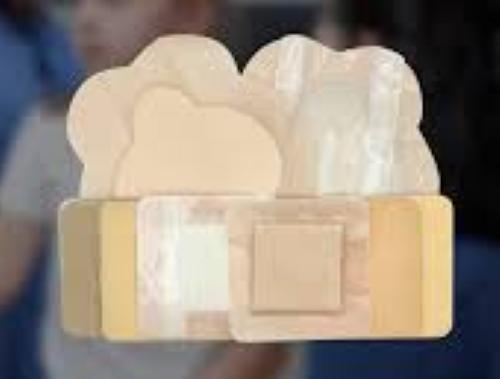
1. Standard Polyurethane Foam Dressings: These are flat sheets or pads designed for use on low- to moderate-exudating wounds.
2. Hydrophobic Polyurethane Foam Dressings: These are ideal for wounds with moderate to high exudate as they help manage the fluid effectively, minimizing the risk of maceration.
3. Bordered Polyurethane Foam Dressings: These dressings come with an adhesive border around the foam pad, making them easier to apply and secure to the skin without needing additional tapes or bandages.
4. Adhesive-Free Foam Dressings: These dressings may be used in situations where adhesive materials are not appropriate or where tape sensitivities exist.
Applications of Polyurethane Foam Dressings.
Polyurethane foam dressings are versatile and used in many different types of wounds, including:
· Chronic wounds: such as diabetic ulcers, venous leg ulcers, and pressure sores.
· Acute wounds: such as surgical wounds, burns, and traumatic injuries.
· Infected wounds: Polyurethane foam dressings with antimicrobial properties can be used in infected wounds to help prevent further contamination.
· Post-surgical sites: to reduce the risk of infection and absorb any wound drainage.
Benefits of Polyurethane Foam Dressings.
1. Improved Healing Environment: By maintaining moisture and preventing bacterial contamination, foam dressings help create an optimal environment for healing.
2. Pain Reduction: Foam dressings reduce the pain associated with dressing changes, as they do not stick to the wound bed.
3. Reduced Risk of Infection: The impermeable surface prevents bacteria from entering the wound, which reduces the risk of infection.
4. Comfort: Due to their soft, flexible nature, foam dressings are more comfortable for the patient compared to other wound care materials.
5. Cost-Effectiveness: While polyurethane foam dressings may initially cost more than traditional bandages, their ability to reduce complications and accelerate healing can result in cost savings over time.
How to Apply Polyurethane Foam Dressing?
1. Clean the Wound: Before applying a foam dressing, it’s important to clean the wound using a suitable wound cleanser or saline solution.
2. Choose the Correct Size Dressing: Select a foam dressing that is slightly larger than the wound to ensure full coverage.
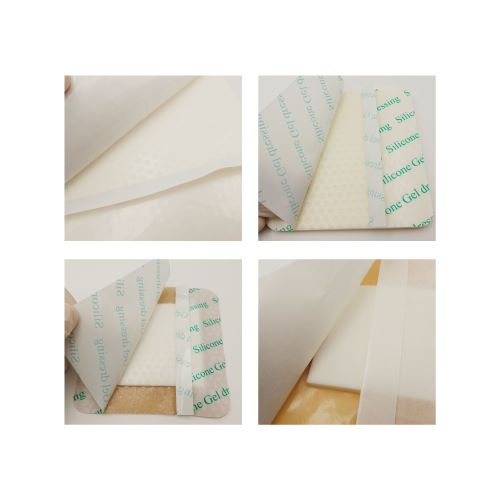
3. Apply the Dressing: Place the foam dressing gently over the wound, ensuring that the dressing covers the entire wound bed. Avoid touching the side of the foam that will be in contact with the wound to minimize contamination.
4. Secure the Dressing: If it is not a bordered foam dressing, you may need to secure the foam with adhesive tape or a secondary dressing to keep it in place.
5. Change the Dressing: Foam dressings are typically changed every 1 to 7 days, depending on the amount of exudate and the condition of the wound. Always follow the instructions provided by the healthcare professional or manufacturer.
Potential Drawbacks and Considerations.
While polyurethane foam dressings are highly effective for many types of wounds, there are a few considerations:
· Not Suitable for Dry Wounds: If a wound is dry or necrotic, polyurethane foam may not be the best option. Other types of dressings, like hydrogels, might be more appropriate in such cases.
· Allergic Reactions: Some patients may experience sensitivities to the materials in the foam or the adhesive. It's important to assess for any adverse reactions, particularly with long-term use.
· Cost: Polyurethane foam dressings can be more expensive than traditional dressings, although the benefits in terms of healing time and reduced complications may justify the cost in many cases.
Conclusion.
Polyurethane foam dressings are an essential part of modern wound care. They offer a range of benefits, including moisture management, comfort, and infection prevention, making them suitable for various types of wounds. Whether used for chronic conditions like diabetic ulcers or acute injuries like burns, foam dressings support healing and improve patient outcomes.
Would you like more detailed information on any of these aspects?


