Eye patches are versatile medical devices used to protect, shield, or aid in the recovery of the eyes. Designed for both therapeutic and protective purposes, eye patches are a key component in managing various ocular conditions, post-surgical recovery, and vision therapy. This article delves into the functionality, types, and clinical applications of eye patches, highlighting their significance in modern ophthalmic care.
What Are Eye Patches?
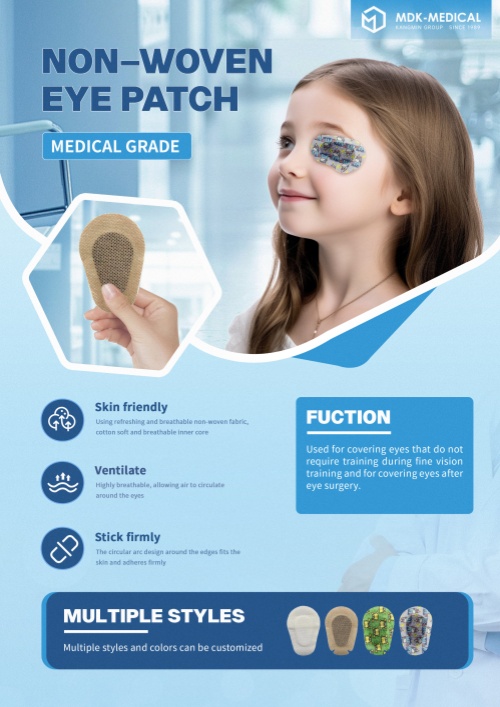
An eye patch is a covering worn over one eye, typically made from soft, breathable materials designed to provide comfort while serving a therapeutic or protective purpose. Eye patches are commonly used to protect an injured or recovering eye, support vision correction, or shield the eye from light or contaminants.
Types of Eye Patches.
Eye patches are available in different types, each tailored to specific needs:
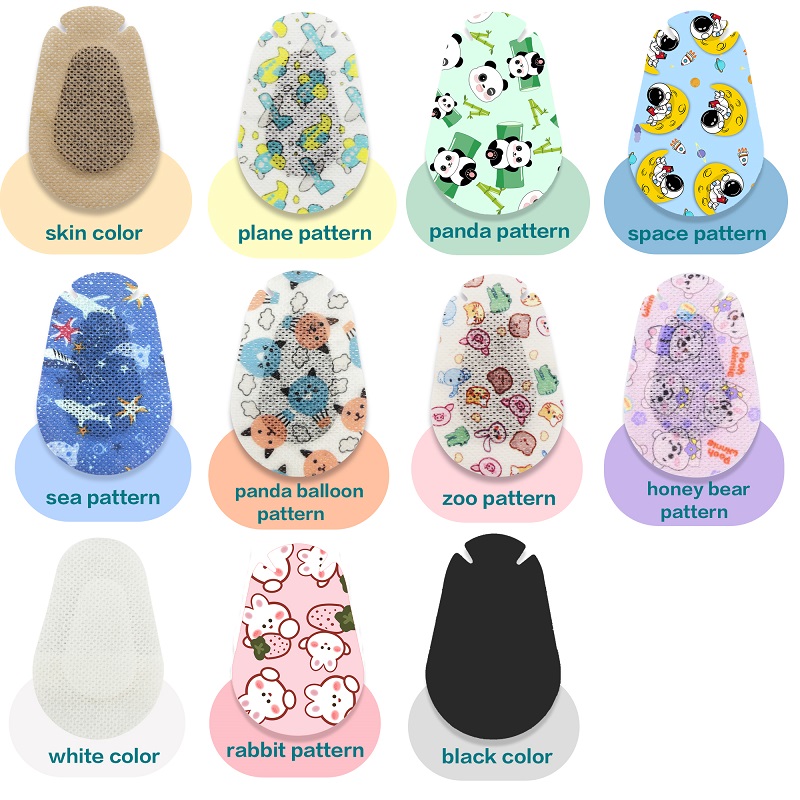
1. Medical Eye Patches
o Used to cover and protect an eye after surgery or injury.
o Often made from hypoallergenic materials to reduce irritation during extended wear.
2. Occlusion Eye Patches
o Commonly used in vision therapy, particularly for conditions like amblyopia (lazy eye) or strabismus (crossed eyes).
o Designed to block vision in the stronger eye, forcing the weaker eye to work harder and improve visual acuity.
3. Orthoptic Patches
o Specifically designed for children undergoing treatment for visual impairments.
o Available in colorful, adhesive, and non-adhesive options to encourage compliance.
4. Cosmetic Eye Patches
o Designed to conceal ocular deformities or for aesthetic purposes.
5. Light-Blocking Patches
o Used to protect eyes sensitive to light due to conditions such as photophobia or migraines.
Key Features and Mechanisms of Action.
1. Protection and Healing
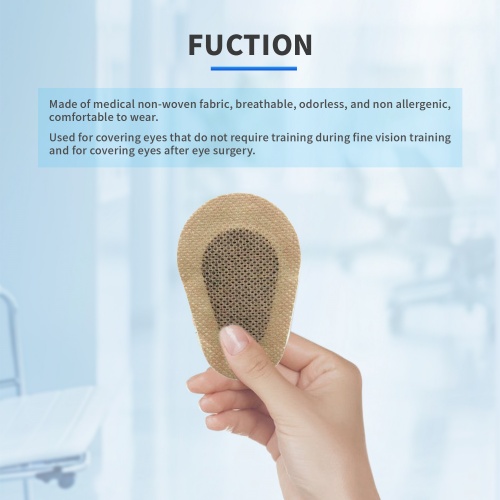
Eye patches shield the eye from external irritants such as dust, debris, and light, creating a safe environment for healing.
2. Vision Therapy
Occlusion therapy with eye patches strengthens the weaker eye in conditions like amblyopia by forcing it to perform visual tasks, promoting neural adaptation and improved function.
3. Post-Surgical Care
Medical eye patches provide cushioning and protection for the eye following procedures like cataract surgery, corneal transplants, or retinal detachment repair.
4. Pain Relief and Comfort
Light-blocking patches help alleviate discomfort caused by photophobia, migraines, or corneal abrasions by reducing exposure to bright light.
Clinical Applications.
Eye patches are used in a wide range of scenarios, including:
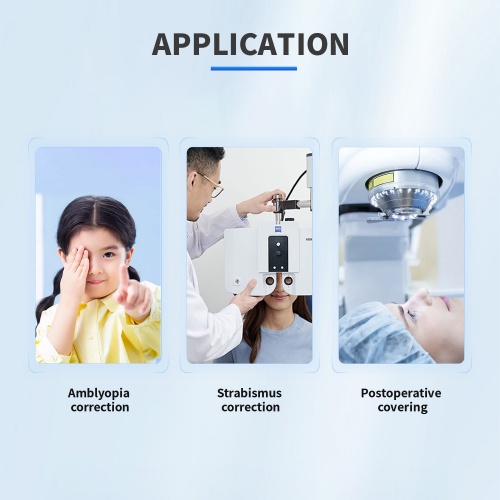
· Post-Surgical Recovery: To shield the eye and prevent infection after surgical procedures.
· Amblyopia Treatment: To encourage the use of a weaker eye through occlusion therapy.
· Injury Protection: To safeguard the eye after trauma or burns.
· Light Sensitivity: To reduce light exposure for individuals with migraines, corneal abrasions, or other sensitivities.
· Cosmetic Purposes: To conceal deformities or abnormalities of the eye.
Benefits of Eye Patches.
· Enhanced Healing: Protects the eye from contaminants and excessive light, promoting faster recovery.
· Non-Invasive Treatment: Provides a simple, non-invasive method for vision therapy and protection.
· Comfort and Adaptability: Designed for extended wear without causing discomfort.
· Customizable Options: Available in various sizes, materials, and designs to suit individual needs.
How to Use an Eye Patch
1. Clean the Area: Gently cleanse the skin around the eye to remove any oils or debris.
2. Apply the Patch: Position the patch over the affected eye, ensuring a snug and comfortable fit. Adhesive patches should be pressed firmly onto the skin to secure them in place.
3. Adjust as Needed: For non-adhesive patches, use an elastic strap or medical tape to hold the patch in position.
4. Monitor Usage: Follow the recommended duration of use as advised by a healthcare provider, typically ranging from hours to weeks depending on the condition.
Conclusion.
Eye patches are indispensable tools in ophthalmic care, offering protection, therapy, and comfort for various eye conditions. Whether used for post-surgical recovery, vision therapy, or injury protection, eye patches provide a non-invasive and effective solution to support ocular health. By selecting the appropriate type and following best practices for usage, healthcare providers and patients can optimize outcomes, ensuring a quicker recovery and improved quality of life.


